Things to Do in Managua in April
April weather, activities, events & insider tips
Low Season · Budget Friendly
April Weather in Managua
Long-run averages for April
93°F (34°C)
High Temp
72°F (22°C)
Low Temp
0.3 inches (8 mm)
Rainfall
58%
Humidity
13
Sunny-Day UV
⚠ Sustained heat and extreme UV exposure are the main hazards. Daily highs averaging 34°C (93°F) combined with intense tropical-latitude UV and almost no cloud cover demand constant hydration. Rigorous sun protection is essential. Deliberately avoid prolonged midday outdoor activity. Heat exhaustion is a real risk for visitors unaccustomed to this temperature range, on exposed volcano hikes and treeless urban walks.
⚠ The final week of April can occasionally produce isolated late-afternoon thunderstorms as the rainy season begins to stir. These arrive with as little as fifteen minutes of warning and can be intense for their short duration. Carry a packable rain layer. The month's total rainfall averages near zero.
Making the most of April in Managua? Browse tours and activities in Managua on GetYourGuide.
Is April Right for You?
Weigh the advantages and considerations before booking
Advantages
- + Virtually zero rain, just 8 mm (0.3 inches) for the entire month, so every outdoor plan holds without a weather hedge, from volcano rim hikes to evening fritanga crawls along the Carretera Masaya corridor.
- + Post-Semana Santa tourist lull thins crowds at Masaya Volcano, Granada, and Leon, with accommodation rates softening noticeably from the December through February peak.
- + Low humidity and clear night skies make April one of the sharpest months for Masaya's lava lake viewing. Less atmospheric haze between you and the molten basalt. The drive back under unpolluted stars is half the experience.
- + Street food and open-air dining culture runs uninterrupted. Fritanga grills fire up along every major road by 5 PM without rain shutdowns, and the still, dry evening air carries the smoke of charcoal-roasted plantains and carne asada for blocks.
Considerations
- − The heat is relentless. Daily highs averaging 34°C (93°F) with extreme UV and five months of accumulated dryness mean minimal shade from deciduous trees that have already dropped their leaves, making midday outdoor activity a genuine ordeal.
- − The landscape around Managua is at its most parched and brown. Dried lake margins, dusty hillsides, and sun-bleached vegetation lack the lush green that returns with the rains in June, so if you came for tropical scenery, the timing works against you.
- − April 2027 falls in a cultural lull between Semana Santa (late March) and May Day celebrations, leaving few large-scale festivals or public events to build an itinerary around.
Settled on April? Compare hotel prices in Managua for your dates on Trip.com.
Best Activities in April
Top things to do during your visit
April catches Managua at the driest, hottest crease of the Nicaraguan year. The long dry season has spent five months pulling moisture from the lowlands around Lake Managua. By now the volcanic soil along the southern highway corridor cracks in pale seams. It releases a faint mineral dust. That dust settles on taxi dashboards. It coats the leaves of roadside mango trees heavy with ripening fruit. Daytime temperatures average 34°C, the highest the city sees. Nights ease only to about 22°C. That is still warm enough that families drift toward the lakefront promenade at Puerto Salvador Allende after dark. The concrete finally exhales its stored heat there. The smoke from charcoal-grilled carne asada mixes with the damp mineral scent rolling off the water. Rainfall barely registers. Roughly 8 millimeters fall for the entire month. Often it comes in a single brief afternoon cloudburst. That moisture evaporates from the pavement within the hour. This is the last window of unbroken sun. May's monsoon switch waits. Monthly totals vault past 130 millimeters almost overnight then. The brown hillsides surrounding the city flush to a sudden electric green. Managua operates best in April as a staging ground. Its airport is compact and quick to clear. Its hotel clusters along Carretera Masaya and near Metrocentro put travelers within ninety minutes of three of Central America's most concentrated day-trip circuits. You have the colonial grid and lakefront of Granada to the southeast. You have the volcanic belt anchored by Masaya and Cerro Negro. You have the university city of León to the northwest. The dry skies make all three circuits more reliable than at any other point in the year. Crater views stay sharp without cloud interference. Volcanic slopes are firm rather than slicked with mud. The roads between cities carry none of the standing water that slows transit during the wet months. But Managua itself rewards a pause. There is the ruined Old Cathedral downtown. There is the sprawl of Mercado Oriental where the shouts of vendors selling quesillos echo off corrugated roofing. There are the open-air comedores along the southern avenues. You can taste the sour tang of a cold tiste drink there. You can watch the afternoon light go copper over the lake. Safety in Managua follows the same common-sense grain as any Central American capital. Stick to the commercial corridors and established restaurant zones after dark. Use registered taxis or pre-booked transfers. Keep valuables out of sight. The areas around the major hotels and the lakefront promenade are well-lit and patrolled. Nicaragua's weather in April is as stable and predictable as it gets anywhere in the isthmus. The transition from dry season to wet is not a slow fade here. It is a hard switch that flips in the first or second week of May. April travelers get full days of uninterrupted sun. They avoid the soaking rains that define June through October. For anyone building an itinerary outward from Managua, the timing removes the weather variable entirely. That holds whether you are planning a single volcano night tour or a two-day loop through Granada and León.

Best of Granada, Mirador de Catarina and Masaya Volcano Tour
guided_experienceThe Best of Granada, Mirador de Catarina and Masaya Volcano Tour threads three of Nicaragua's most concentrated landscapes into a single guided day departing Managua. The route climbs first to Mirador de Catarina. The volcanic rim drops away there. The Laguna de Apoyo fills the crater below. It is a lake so turquoise against April's tawny hillsides that it looks artificially saturated. The tour then descends into Granada's colonial grid. The smell of cacao roasting in artisan workshops on Calle La Calzada drifts past. You hear the clip of horse-drawn carriages on cobblestone. The day closes at Masaya Volcano's Santiago crater after the sun drops. You stand at the railing there. You feel sulfurous heat radiating from the exposed lava lake. Green parakeets wheel past the vents. They are the only birds adapted to the toxic fumes. They disappear into crevices in the crater wall.
Compresses three distinct Nicaraguan landscapes, crater lake, colonial city, and active volcano, into a single guided day that would take independent travelers two or three days to replicate on local transport.
Insider tip: Ask the driver to stop at the Catarina plant nurseries on the descent from the mirador. Orchid vendors sell varieties absent from Managua's markets there. The detour adds only ten minutes to the route.
This month: April's near-zero rainfall means unobstructed sightlines from Mirador de Catarina across the Laguna de Apoyo. The Santiago crater's sulfur plume rises vertically rather than scattering in wet-season crosswinds. That leaves the lava lake clearly visible from the rim.

From Managua: León, Sandboarding Cerro Negro + Cathedral UNESCO
culturalFrom Managua, the drive northwest toward León crosses lowland sugarcane and cotton country. It smells of burned stubble in April. Farmers clear their fields ahead of the coming rains then. León itself is a university city built around one of Central America's largest cathedrals. It is a UNESCO World Heritage structure. You can walk across its whitewashed rooftop in bare or stockinged feet. You feel sun-warmed stucco beneath your soles there. You look out across a skyline of church domes and distant volcanic cones dissolving into afternoon haze. The second half of the day belongs to Cerro Negro. It is the youngest volcano in Central America. A forty-five-minute hike up loose black cinder delivers you to a summit ridge. The cinder crunches and shifts underfoot. Then you sit on a plywood board. You slide down the slope at a speed that blurs the scoria into a dark rushing smear.
Sandboarding down an active volcano is singular enough alone. Pairing it with León's rooftop cathedral walk, one of the most unusual UNESCO site experiences anywhere, creates a day impossible to replicate outside Nicaragua.
Insider tip: Wear long sleeves and long pants for the sandboard descent regardless of the heat. The volcanic gravel shreds exposed skin on any fall. Closed-toe shoes with ankle support make the uphill approach far less punishing than sandals or trainers.
This month: April's dry conditions leave Cerro Negro's slope loose and fast. The wet-season mud that slows boards and coats riders is entirely absent. The volcanic gravel runs clean and predictable.

2 full days tour Granada + Lava+Leon area
day_tripThe 2 full days tour Granada + Lava+Leon area covers the ground that a single-day sprint can only skim. The overnight pace changes what you experience. Day one plants you in Granada. You walk past facades painted in deep ochre, terracotta, and faded indigo. The clatter of billiard balls spills from open-doored cantinas. Street vendors near Parque Central hand you cups of pinolillo. It is the sweet toasted-corn drink served cold and gritty with cinnamon. Staying the night means catching Granada in its quiet early hours. This happens before the tour vans arrive from Managua. The only sound on Calle La Calzada then is the scrape of shopkeepers hosing down their stoops. You hear the low cooing of doves in the church eaves. Day two swings north toward León and the volcanic corridor. It covers Cerro Negro's black slopes and the lava fields. The ground radiates a dry mineral warmth you can feel through your boot soles there.
The overnight structure lets you experience Granada's colonial center at dawn and dusk, the hours the day-trippers never see, before covering León's volcanic landscape on the second day without rushing either.
Insider tip: Use the overnight in Granada to eat at the comedores along Calle Atravesada rather than the tourist-facing restaurants on La Calzada. The food is the same regional style but prepared for locals. Portions are larger. You will hear more Spanish than English at the tables.

Cerro Negro volcano, VIP experiences "Individual and Group"!!!
private_tourThe Cerro Negro volcano VIP experience strips the crowd factor from Central America's youngest volcano. You won't join a fifteen-person group shuffling up the slope in single file at a fixed pace. You climb with a dedicated guide instead. The guide adjusts the route and rest stops based on wind direction. This is a practical matter when the summit fumaroles are pushing sulfur clouds directly across the standard trail. The scoria field is stark and lunar. Nothing grows on the youngest lava flows. The only color breaking the black is rust-orange oxidation streaking where fumaroles have heated the rock from below. At the top, the quiet is nearly absolute. You hear just wind scraping across the crater rim. You hear the faint, pressurized hiss of gas escaping from vents you can feel warming the ground through your shoes.
A private guide means you can linger at the summit vents. You can choose your own sandboard line on the descent. You can adjust the pace without being herded into a group departure schedule.
Insider tip: Request the guide's action-camera mount for the descent if you want footage. Holding a phone while sandboarding at speed over loose scoria is a reliable way to lose it permanently in the gravel.
This month: April's dry, stable air minimizes the wind-driven grit that makes summit conditions uncomfortable during transitional weather. The firm trail surface is free of the erosion channels that wet-season rains carve into the slope.

Masaya Volcano Night Tour!!!
guided_experienceAfter dark, Masaya Volcano becomes an entirely different proposition. The daytime haze of sulfur vapor and shimmering heat gives way to cooled, sharp air. The Santiago crater's lava lake glows a deep orange-red against walls of black basalt that swallow every other light source. You feel the radiant heat on your face from the viewing platform. You hear the low, irregular rumble of magma circulating below the surface. It is a sound more felt in the chest than heard in the ears. You smell the sulfur tightening as night air sinks into the caldera and concentrates the fumes. The national park restricts vehicle entry to timed slots after sunset. The platform holds only a handful of visitors at once. This produces a controlled quiet that lets the volcano's own sounds occupy the space entirely.
An exposed lava lake viewed at night, without daylight washing out the glow, is one of the rarest geological spectacles accessible by paved road anywhere on Earth.
Insider tip: Bring a bandana or cloth to cover your nose and mouth at the crater rim. Sulfur concentration spikes when the wind shifts direction. Park rangers will move your group back from the edge if anyone is visibly struggling to breathe.
This month: April's clear, rainless skies eliminate the cloud cover that can obscure the crater during wetter months. The dry atmosphere sharpens the visual contrast between the lava glow and surrounding darkness to its annual peak.

Nicaragua: Private Shuttle Service from Airport to Hotel Managua
transportAugusto C. Sandino International Airport sits on Managua's eastern outskirts. The ride into the hotel corridors along Carretera Masaya or near Metrocentro takes twenty to forty minutes. That depends on traffic density and time of day. The Private Shuttle Service from Airport to Hotel Managua eliminates the negotiation ritual with informal taxi drivers outside the arrivals hall. This process adds unwelcome friction during the drowsy haze of a red-eye landing. It adds friction during the disorientation of a first visit. It compounds an already long travel day. The vehicle meets you at the terminal exit with a name board. The air conditioning is already running against the wall of April heat outside the sliding doors. The driver knows the hotel route. You won't need to navigate on a phone with no local SIM card yet installed.
Removes the single most stressful friction point of arriving in Managua, the airport-to-hotel transfer, with a pre-booked, air-conditioned pickup that requires zero on-the-spot negotiation or local currency upon landing.
Insider tip: Confirm your hotel's exact name and neighborhood barrio with the booking, not just the city. Several Managua hotels share similar names across different zones along the southern highway. A driver heading to the wrong Carretera Sur address can add thirty minutes and unnecessary stress to your arrival.
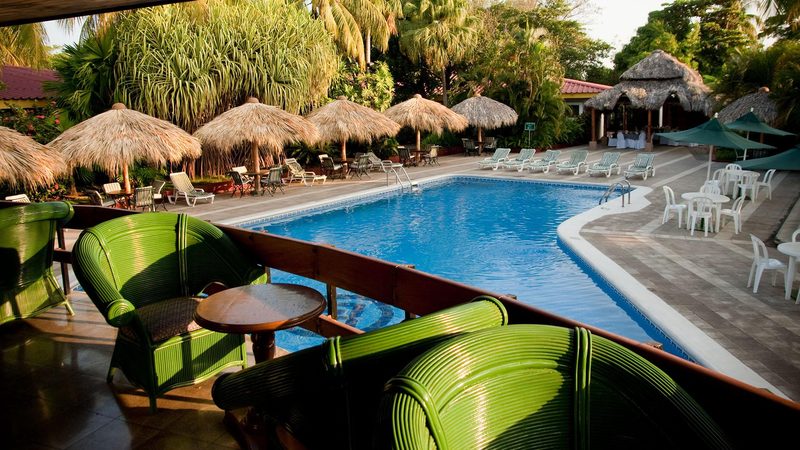
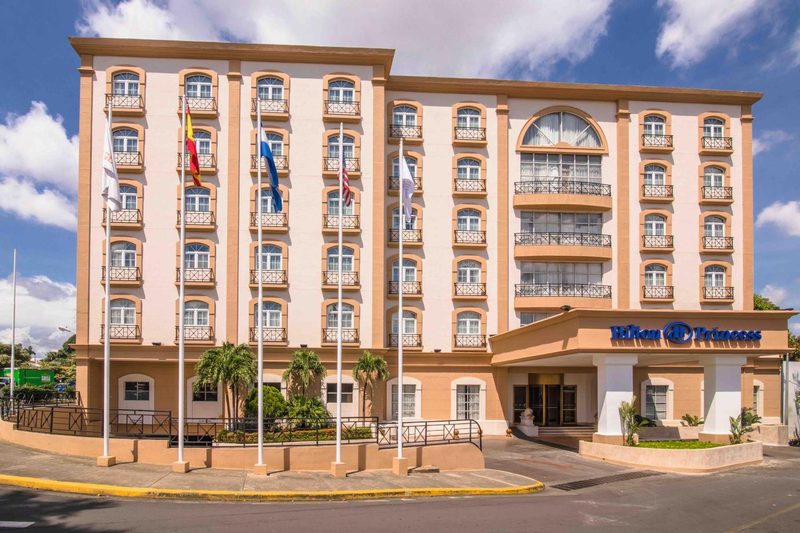
Where to Stay in Managua in April
Hand-picked hotels across price tiers for April travellers.
Public Holidays in April
Dates that affect opening hours, transport and crowds
Holy Thursday
Observed nationwide as a public holiday.
Holy Thursday
Observed nationwide as a public holiday.
Packing Checklist
Bookmark this page — your progress is saved between visits
Need the full list with shopping links?
Climate-specific gear, brand recommendations, and what to leave at home.
View Managua Packing List →Essential Tips
Insider knowledge and common pitfalls to avoid
Insider Knowledge
Managua has no conventional street addresses. Locals navigate entirely by landmarks, sometimes ones that no longer exist. You will hear directions framed as 'from where the old Pepsi factory used to be, two blocks toward the lake, half a block down.' Orient yourself using the Loma de Tiscapa crater as the city's central reference point, the lake always to the north, and the Carretera Masaya running southeast. For getting around, pre-arranged taxis from your accommodation or a reputable cooperative are the safest option. Avoid flagging down unmarked vehicles, after dark.
The best eating in Managua happens not in sit-down restaurants but at the fritanga grills that materialize along every major road after 5 PM. Women tend charcoal fires and turn out plates of grilled chicken, gallo pinto, tajadas of fried plantain, and crumbled cuajada cheese on banana leaves. The smoke drifting across the sidewalk is the city's real evening perfume. For the full market experience, Mercado Roberto Huembes has the widest concentration of traditional Nicaraguan cooking under one roof. The vigoron there, boiled yuca piled with chicharron and sharp curtido slaw on a banana leaf, is the dish Managua claims to do better than anywhere else in the country. Ask for a cup of pinolillo on the side. The national drink, ground toasted corn and cacao thinned with water, is gritty and earthy. An acquired taste that grows on you fast.
Managua's nightlife clusters along the Carretera Masaya corridor and the Zona Hippos area to its south. Open-air bars and restaurants stay busy past midnight on Fridays and Saturdays. The evening cooldown in April helps. Temperatures settle to around 22°C (72°F) after dark, making patio seating properly comfortable after the day's accumulation of heat. Locals tend to arrive around 10 PM. Show up at 8 expecting energy, and you will be sitting mostly alone. The rum here is taken seriously. Nicaragua produces some of Central America's best, and ordering it neat rather than in a cocktail signals that you know where you are.
Lake Managua, Lago Xolotlan, sits at the city's northern edge and looks inviting from the Puerto Salvador Allende promenade. It is not safe for swimming. Decades of industrial runoff and sewage contamination have kept it off limits. The lakefront malecón is worth walking at sunset for the breeze and the view of Momotombo volcano smoking across the water. For actual swimming, Laguna de Apoyo is forty minutes south. The Pacific coast beaches at Pochomil and Masachapa are about 60 km (37 miles) west. A manageable half-day trip when the April heat makes finding water feel urgent.
Avoid These Mistakes
Scheduling outdoor sightseeing between 11 AM and 3 PM is a mistake. April's heat in Managua is not the kind you push through with willpower and water. It is the kind that puts you in a taxi back to your room with a pounding headache by noon. Every local structures the day around an early morning window and a late afternoon second act. Midday goes to shade, food, and air conditioning. Fight that rhythm and you will spend your trip recovering from the mornings.
Assuming Lake Managua is a beach destination because it borders the city is wrong. The lake is striking to look at from the Puerto Salvador Allende waterfront, at sunset with Momotombo's silhouette in the distance. The water is contaminated and off limits. Travelers who packed swimwear expecting a lakefront afternoon need to redirect south to Laguna de Apoyo or west to the Pacific coast.
Trying to walk between Managua's major sights on foot as you would in Granada or Leon will not work. The 1972 earthquake left the old center in ruins. The rebuilt city sprawls across vast empty lots and multi-lane roads with stretches where there is no sidewalk, no shade, and no pedestrian logic. Managua is a taxi city. Resist that reality in April's heat and you waste time and energy you could spend at the actual destinations.
Short on time? See day trips around Managua on GetYourGuide.
Ready to plan your trip to Managua?
Now that you've got the research covered, here's where to go next.
Explore More Activities in Managua
Didn't see anything interesting yet?
Browse Viator's full catalog of tours, day trips, food experiences, and private guides in Managua.
See All Managua Tours on Viator