Things to Do in Managua in January
January weather, activities, events & insider tips
Low Season · Budget Friendly
January Weather in Managua
Long-run averages for January
87°F (31°C)
High Temp
68°F (20°C)
Low Temp
0.4 inches (10 mm)
Rainfall
64%
Humidity
10
Sunny-Day UV
⚠ High UV exposure - sunburn risk peaks 11 AM to 3 PM
Making the most of January in Managua? Browse tours and activities in Managua on GetYourGuide.
Is January Right for You?
Weigh the advantages and considerations before booking
Advantages
- + January is Managua's dry-season sweet spot. Blue-sky mornings turn crater lakes into polished mirrors. Day trips to Laguna de Apoyo or Masaya Volcano happen without afternoon storm clouds rolling in. Perfect timing.
- + Hotel rates drop 25-30% from December's holiday increase. The weather stays identical. It's the month's best-kept secret that locals know but tourists miss. Smart travelers capitalize.
- + The Malecón de Managua comes alive in January evenings. Temperatures drop to 75°F (24°C). Families gather for vigorón from wooden food carts. Cabbage salad stays crisp in dry air instead of wilting like it does in May.
- + Coffee harvest is in full swing in the hills above Managua. You can smell the fruit fermenting at processing stations when the wind blows right. Cafes in Altamira neighborhood serve beans picked within days rather than months. Freshness matters.
Considerations
- − Dust gets everywhere. January's trade winds kick up volcanic ash from last year's eruptions from Masaya. Outdoor tables get coated within an hour. White shirts turn gray by sunset.
- − The UV index hits 8 daily. Without proper protection, you'll burn in 15 minutes flat. Reflected light off Lake Managua makes it worse than beach destinations. Respect the sun.
- − Managua's infrastructure wasn't built for 70% humidity without rain. Concrete buildings hold heat like pizza ovens. Many budget hotels lack adequate ventilation or AC that works. Choose wisely.
Settled on January? Compare hotel prices in Managua for your dates on Trip.com.
Best Activities in January
Top things to do during your visit
Managua in January is defined by a dry clarity that feels like a long, slow exhalation. The city moves to a different rhythm than the wetter months, with sidewalks free of puddles and a persistent sun that casts sharp shadows against the concrete and foliage. The air carries warmth without the heavy, damp weight that arrives later in the year, making the shade of a mango tree or the interior of a cafe feel like a deliberate refuge. Locals take advantage of this reliable weather, with evening crowds lingering longer in open-air plazas and families making weekend excursions to the nearby coastline. This is the month to see Managua not just as a capital. But as a sun-bleached way into the country's volcanic heart. For visitors, the conditions in January are suited for movement. With average highs around 31 degrees Celsius and negligible rainfall, plans are rarely interrupted by afternoon downpours. This reliability opens up the landscape, making day trips to colonial cities and volcanic parks both predictable and comfortable. The light is consistent, good for the long views across Lake Xolotlán or for capturing the faded grandeur of old cathedral ruins against a deep blue sky. While the city itself has a layered history told through its monumental public spaces and residential neighborhoods, January's weather makes the compelling attractions scattered beyond its limits, the smoldering craters, the colorful streets of Granada, the black slopes of Cerro Negro, feel readily accessible. You will hear the sizzle of carne asada from sidewalk grills and see the gleaming white of the new Metropolitan Cathedral under the midday sun. The smell of diesel and dust mingles with the occasional sweet trace of ripening fruit from a market stall. It is a practical month for exploration, where the primary seasonal advantage is the dependable, rain-free sky, encouraging you to cover ground, whether within the large city or on a journey outward.

Best of Granada, Mirador de Catarina and Masaya Volcano Tour
guided_experienceThis guided tour condenses the essence of western Nicaragua into a single day, moving from the orderly colonial beauty of Granada to the panoramic views at Mirador de Catarina and culminating at the rumbling, sulfuric mouth of Masaya Volcano. You will walk on cobblestones past mustard-yellow churches, peer into a crater lake framed by lush hillsides, and stand on a rocky ledge to feel the warm updraft and hear the deep, guttural sighs of the earth. The trip is designed for those who want a curated introduction to the region's most well-known landscapes.
It efficiently pairs the country's profound geological power with its rich historical charm in one smooth journey.
Insider tip: Wear sturdy, closed-toe shoes for the volcanic terrain and bring a light jacket for the cooler air at the higher elevation of the mirador.
This month: January's consistently clear skies and dry conditions mean excellent visibility from the Mirador de Catarina and a very low chance of the volcano's crater being obscured by weather.

From Managua: León, Sandboarding Cerro Negro + Cathedral UNESCO
culturalThis excursion trades the capital for the intellectual and adventurous spirit of León, combining a tour of its UNESCO-listed cathedral with the physical thrill of sandboarding down the ash-covered slopes of Cerro Negro. You will feel the cool stillness inside the whitewashed vaults of the cathedral, then later hear the crunch of volcanic scree underfoot and feel the wind rush past as you descend the young, black cone. The contrast between the dignified colonial city and the raw, active landscape is the core of the experience.
It has a unique balance of cultural depth and pure adrenaline, two pillars of the Nicaraguan experience.
Insider tip: The sandboarding is more accessible than it looks. Beginners can opt to sit on the board for a controlled, thrilling slide down.
This month: The dry, hot conditions of January mean the volcanic ash on Cerro Negro is loose and fast, creating ideal conditions for sandboarding.

2 full days tour Granada + Lava+Leon area
day_tripOver two full days, this tour provides a complete immersion into the heart of Nicaragua's Pacific region, weaving together the colonial architecture of Granada, the nocturnal spectacle of flowing lava at Masaya Volcano, and the revolutionary history of León. You will taste the tangy vigor of a local vigorón, see the eerie glow of molten rock illuminating a cavernous crater at night, and touch the bullet-pocked walls of historical buildings. It is designed for travelers who prefer a packed itinerary that connects major sights with contextual depth.
It delivers a strong, multi-sensory narrative of the area, from its Spanish foundations to its fiery geological present.
Insider tip: Pack a bandana or mask for the occasional strong sulfur fumes at the volcano, during the night tour when the gases are more visible in the beam of the lights.
This month: January's dry weather virtually guarantees both the night lava viewing and the extensive walking tours in Granada and León will proceed without weather-related interruptions.

Cerro Negro volcano, VIP experiences "Individual and Group"!!!
private_tourThis private tour focuses exclusively on the Cerro Negro volcano, offering a tailored and potentially quicker ascent and descent of one of the youngest volcanoes in the Americas. The experience is physically engaging, involving a hike up a stark black slope where you will feel the crunch of volcanic rock under your boots and see steam vents hinting at the activity below, before the exhilarating ride down. The VIP designation often means more flexibility in pacing and personalized attention from the guide.
For a dedicated, uncrowded adventure on a unique active volcano, with the freedom to move at your own pace.
Insider tip: Even on a private tour, starting the hike early in the day avoids the full intensity of the sun beating down on the dark, heat-absorbing rock.
This month: The guaranteed dry heat of January makes the ascent more strenuous but also ensures the ash for boarding is in perfect, granular condition.

Masaya Volcano Night Tour!!!
guided_experienceThe Masaya Volcano Night Tour provides access to the park after dark, when the Santiago crater's active lava lake is most visually dramatic. You will stand at the rim and see the glowing orange lava pulsing below, its light casting shadows on the crater walls, while smelling the sharp, acrid scent of sulfur dioxide carried on the warm updrafts. The guides use specialized lights to point out features and often share detailed geological and folkloric history of the place.
It transforms a geological site into a primal spectacle, revealing the volcano's true energy under the cover of darkness.
Insider tip: The park limits time at the main viewing platform. Have your camera ready the moment you arrive to make the most of the short window for photos and observation.
This month: January's minimal cloud cover and lack of rain provide the clearest possible views of the lava's glow against the night sky.

Nicaragua: Private Shuttle Service from Airport to Hotel Managua
transportThis private shuttle service has a straightforward transition from Augusto C. Sandino International Airport to your accommodation in Managua. After the humidity of the plane cabin, you will feel the dry, warm air of a Managua evening as you are met by a driver, avoiding the hassle of negotiating with taxi drivers or navigating unfamiliar streets. The vehicles are typically air-conditioned, providing a quiet, comfortable introduction to the city.
It delivers immediate peace of mind and efficiency after a long flight, starting your trip on a controlled note.
Insider tip: Confirm your hotel's exact neighborhood with the driver, as addresses in Managua can be based on landmarks and directions rather than street numbers.
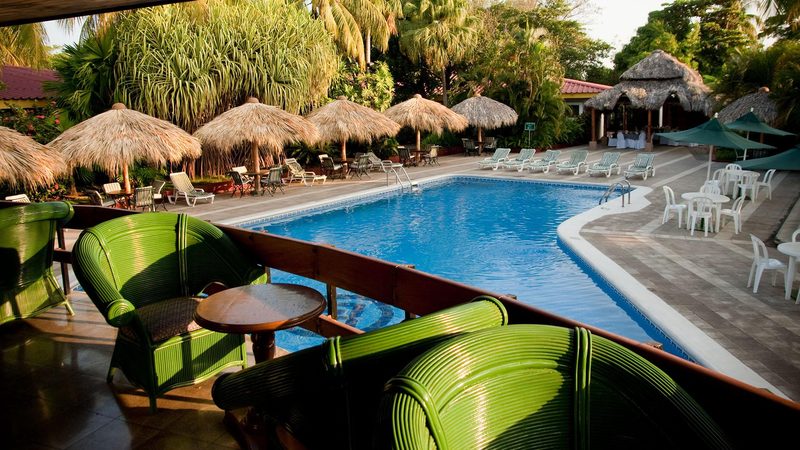
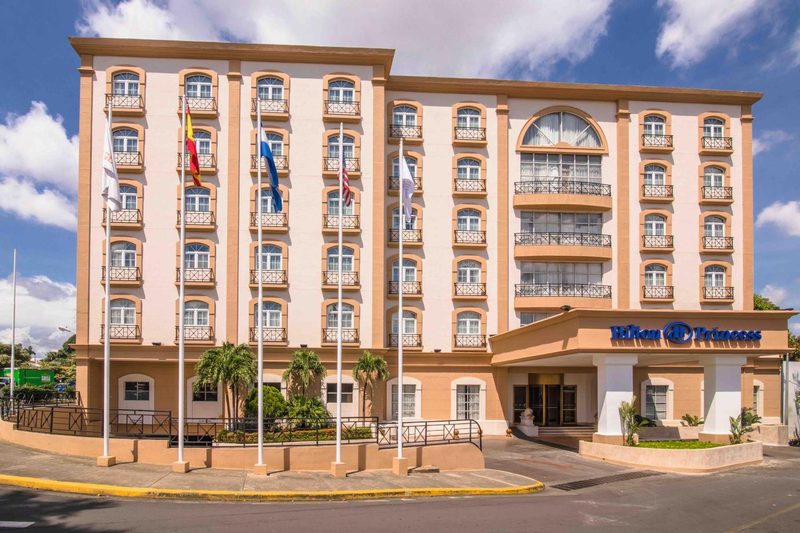
Where to Stay in Managua in January
Hand-picked hotels across price tiers for January travellers.
Public Holidays in January
Dates that affect opening hours, transport and crowds
New Year's Day
Observed nationwide as a public holiday.
New Year's Day
Observed nationwide as a public holiday.
Packing Checklist
Bookmark this page — your progress is saved between visits
Need the full list with shopping links?
Climate-specific gear, brand recommendations, and what to leave at home.
View Managua Packing List →Essential Tips
Insider knowledge and common pitfalls to avoid
Insider Knowledge
The Malecón's food carts serve the best vigorón after 6 PM when families start arriving. Look for Doña Mari's cart. She's been there 30 years and locals queue specifically for hers. Worth the wait.
January is when Managua's Chinese-Nicaraguan community celebrates Lunar New Year with dragon dances through the Mercado Oriental. Happens around late January/early February depending on the lunar calendar. Cultural fusion.
Taxi drivers will quote prices in dollars to tourists but cordobas to locals. Ask for the fare in both currencies. Pay in cordobas for better rates. Save money.
The Observatory at Tiscapa Lagoon has free telescopes set up on clear January nights when city lights don't obscure stars. Local astronomy club meets there Fridays at 7 PM. Stargazing opportunity.
Avoid These Mistakes
Assuming Managua has a city center like other capitals. It's deliberately decentralized after the 1972 earthquake. Attractions are spread out and require taxis between them. Plan transportation.
Skip shorts and tank tops in government offices or churches. Managua stays conservative. Covered shoulders and knees are expected, even when the mercury hits 87°F (31°C). Pack light linen. You will still sweat.
Forget advance bookings for Pochomil or Montelimar. January skies stay flawless. Wake up, check the breeze, then point the wheels west. Morning-of decisions beat prepaid tours every time.
Short on time? See day trips around Managua on GetYourGuide.
Ready to plan your trip to Managua?
Now that you've got the research covered, here's where to go next.
Explore More Activities in Managua
Didn't see anything interesting yet?
Browse Viator's full catalog of tours, day trips, food experiences, and private guides in Managua.
See All Managua Tours on Viator