Things to Do in Managua in June
June weather, activities, events & insider tips
Low Season · Budget Friendly
June Weather in Managua
Long-run averages for June
88°F (31°C)
High Temp
73°F (23°C)
Low Temp
8.8 inches (224 mm)
Rainfall
85%
Humidity
12
Sunny-Day UV
⚠ Afternoon downpours flood low-lying streets within minutes. Mercado Oriental suffers. Old city center near the lake too. Drainage fails. Intersections become pedestrian traps. Do not walk through floodwater. Sewage mixes in. Debris too. Stay dry. Stay safe.
⚠ Mosquito-borne illness peaks June through October. Dengue fever is endemic in Managua. Daily rains create breeding sites citywide. Standing water everywhere. Use repellent consistently. Dawn and dusk matter most. Wear long sleeves when you can. Screened windows help. Air conditioning lets you seal the room. Consider both.
⚠ Volcanic terrain around Masaya and Cerro Negro turns slick when wet. Masaya Volcano National Park has paved trails. The crater rim still gets slippery. Cerro Negro's scoria slope becomes unpredictable damp. Real grip matters. Follow your guide. Check trail conditions. Do not guess.
Making the most of June in Managua? Browse tours and activities in Managua on GetYourGuide.
Is June Right for You?
Weigh the advantages and considerations before booking
Advantages
- + Managua changes completely in June. The brown hills that bake through March and April turn shockingly green, the volcanic soil along the Carretera Masaya erupts with tropical growth, and Lake Xolotlan catches afternoon storm light in ways the dry-season haze never permits. Photographers get their best shots of Momotombo volcano from Puerto Salvador Allende during brief cloud breaks after a downpour.
- + Tourist crowds vanish. June is deep low season, so the Masaya Volcano night tours that pack thirty people onto the crater rim in January might have eight or ten. Granada's Calle La Calzada, normally shoulder-to-shoulder by sunset, has enough room to sit at a table facing the street without reserving it.
- + Prices drop noticeably from dry-season rates. Properties along the Carretera Masaya and in the Bolonia neighborhood that command premium rates in December through March offer considerably better value, and last-minute bookings that would be impossible in high season become routine.
- + The temperature drops from brutal April and May highs. Managua in April can hit 34 degrees C (93 degrees F) with zero cloud cover and baked, cracked earth radiating heat from every direction. June's average high of 31 degrees C (88 degrees F) with cloud cover and rain-cooled evenings feels markedly more livable, and the breeze before an afternoon storm carries the wet-earth scent of petrichor mixed with flowering jasmine.
Considerations
- − The rain is real and it reshapes your day. June drops 224 mm (8.8 inches) on Managua, and when afternoon storms arrive they arrive with conviction: the sky goes slate-gray around 2 PM, the wind picks up enough to rattle corrugated roofing on market stalls, and within minutes streets near Mercado Roberto Huembes can flood ankle-deep. These downpours typically last an hour or so. But they will cancel any outdoor plan you had between roughly 2 PM and 5 PM.
- − Humidity at 85 percent hits you like a wall the moment you step outside your hotel. Your clothes stick, your sunglasses fog when you leave air conditioning, and even a short walk along Puerto Salvador Allende leaves you damp. It is relentless. If you are sensitive to mugginess, June in Managua will test your patience daily.
- − Mosquito populations increase with the rains. Standing water collects in potholes, gutters, and the volcanic depressions that dot Managua's uneven terrain, and dengue risk climbs with it. This is not theoretical: clinics across the capital see their highest case counts between June and October.
Settled on June? Compare hotel prices in Managua for your dates on Trip.com.
Best Activities in June
Top things to do during your visit
June catches Managua at the hinge of its year. The brutal dry months, when temperatures push past 34°C and dust coats every surface along the Carretera Masaya, are over. The rains arrived in late May and by June they own the afternoons. The sky piles up in dark, anvil-shaped clouds around one or two o'clock. The air thickens until it feels like breathing through warm cloth. Then the downpour breaks, hammering on corrugated rooftops and sending rivers of brown water along the city's open drainage channels. It rarely lasts more than two hours. By late afternoon the sun returns, lower now, throwing copper light across the wet pavement. The evening air smells of soaked volcanic earth and charcoal smoke from fritanga grills firing up on every third block. Average highs sit around 31°C, noticeably cooler than April's scorching 34°C, while nights ease to 23°C, warm enough to eat outside but not so hot you dread the walk there. Rainfall in June averages 224 millimeters, a dramatic jump from March's bone-dry 3 millimeters, and a clear signal that you are in the green season. Managua is not a postcard city. The 1972 earthquake levelled its center and the old downtown was never rebuilt in any conventional sense. Instead the capital sprawled outward along commercial corridors, leaving the lakefront zone eerily open, the hollow shell of the Santiago of Managua Cathedral standing roofless near the shore with weeds growing between its cracked floor tiles. But the city has its own pleasures if you know where to look. Puerto Salvador Allende, the rebuilt lakefront promenade locals call the Malecón, comes alive in the evenings with families walking the seawall, food stalls selling vigorón, sharp, vinegar-dressed curtido cabbage piled over boiled yuca and thick slabs of chicharrón, and the dark surface of Lake Managua stretching north toward the volcanic ridge. The hotel and restaurant corridor along Carretera Masaya, running southeast from the Metrocentro mall, concentrates most of the dining and nightlife worth seeking out: grilled-meat houses where smoke spills into the parking lots, quiet courtyards serving Flor de Caña rum over ice, and a handful of bars that stay open late on weekends. Managua is not a beach city. The Pacific coast lies about an hour southwest at Pochomil. But it is a city with a working-capital energy, unglamorous and direct, where the food is heavy and good, the volcanic skyline is ever-present, and the rhythm of the wet season dictates what you do and when. In practice, June makes Managua one of the best staging points in Central America for volcano country and colonial architecture. The day-trip radius from Managua is extraordinary. Masaya Volcano and its lava lake sit thirty minutes south. Granada's painted colonial streets are under an hour east. León's university-town energy and the black gravel slopes of Cerro Negro are ninety minutes northwest. June's rains keep the tour vans emptier than in the high-season months of December through March. The surrounding hillsides, sere and yellow through the dry season, are now thickly green. The Mirador de Catarina overlook, which in March offers views of a brown landscape, in June looks down onto Laguna de Apoyo ringed by jungle so dense and dark it appears almost black. If you are weighing whether the rain is worth the trade-off, the answer is straightforward. Mornings are nearly always dry. The most popular excursions depart early. The afternoon storms give you a reason to sit down somewhere with a cold Toña beer and a plate of nacatamal while the city rinses itself clean.

Best of Granada, Mirador de Catarina and Masaya Volcano Tour
guided_experienceThe Best of Granada, Mirador de Catarina and Masaya Volcano Tour packs the three essential stops south of Managua into a single guided day. You begin in Granada, where the air carries the sweet reek of horse-drawn carriages and faded colonial facades line streets painted in yellows and blues so saturated they look freshly applied. The Mirador de Catarina, a cliffside viewpoint perched above the volcanic crater lake Laguna de Apoyo, gives way to the sulfurous heat and rumble of Masaya Volcano, where you stand on the lip of Santiago Crater and peer down into a vent that glows orange against rising plumes of gas.
This is the single most efficient way to see Nicaragua's three well-known landscapes, colonial city, crater lake, and active volcano, in one outing from Managua.
Insider tip: Ask your guide to stop at the Catarina artisan market before the mirador itself. The carved-wood and ceramic workshops there are where Granada's souvenir vendors source their stock, and you will find the same pieces at a fraction of what the Granada shops charge.
This month: June's green season transforms the view from Mirador de Catarina. The slopes around Laguna de Apoyo are dense with new growth, and the lake itself appears a deeper blue-green against the surrounding foliage than during the brown, dry-season months.

From Managua: León, Sandboarding Cerro Negro + Cathedral UNESCO
culturalFrom Managua: León, Sandboarding Cerro Negro + Cathedral UNESCO takes you northwest to Nicaragua's intellectual capital and its most adrenaline-soaked natural attraction. León's cathedral, the largest in Central America, is a UNESCO World Heritage site whose whitewashed bulk dominates the skyline. You climb to the rooftop and walk across the undulating surface of the vaults, the heat of the concrete radiating through your shoes while the city spreads below in terracotta and green. Then you drive to Cerro Negro, a jet-black cinder cone rising from flat scrubland, strap on a plywood board, and slide down 400 meters of loose volcanic gravel at speeds that make your eyes water and your teeth grit with fine black sand.
No other day trip in Central America pairs a world-heritage cathedral rooftop walk with boarding down an active volcano on the same afternoon.
Insider tip: Wear long pants and closed-toe shoes for the Cerro Negro descent, even in the heat. The volcanic gravel abrades exposed skin on any wipeout, and a thin layer between you and the ground makes the difference between a story and a wound.
This month: Damp volcanic gravel from June's rains compresses under the board rather than spraying loose, which tends to produce faster runs and more predictable steering than the dry-season powder.

2 full days tour Granada + Lava+Leon area
day_tripThe 2 full days tour Granada + Lava+Leon area is the unhurried version of the two flagship day trips, stitched into a single itinerary with an overnight that lets the pace breathe. Day one covers Granada's churches and plazas, the Isletas, a scatter of small islands in Lake Nicaragua where howler monkeys bark from the treetops and the water smells of warm algae, and Masaya Volcano at dusk, when the lava lake pulses orange beneath a darkening sky. Day two shifts northwest to León and Cerro Negro, covering the ground of the single-day tour but without the predawn alarm or the late-night return.
Two days lets you see Masaya's lava at nightfall and still arrive at Cerro Negro rested enough to enjoy the climb and descent, rather than cramming both into a single exhausting marathon.
Insider tip: If your overnight is in Granada, walk the streets after dark when the tour buses have left. The Calle La Calzada fills with restaurant tables pushed onto the cobblestones, and the sound of marimba drifts from open doorways.

Cerro Negro volcano, VIP experiences "Individual and Group"!!!
private_tourCerro Negro volcano, VIP experiences "Individual and Group" strips away the crowd factor entirely. A private guide drives you from Managua to the base of the volcano, fits you with gear, and walks you up the 726-meter cinder cone at your own pace. No waiting for a group of twenty to reassemble at every rest stop. The climb itself takes roughly 45 minutes of stepping through ankle-deep black gravel that crunches like coarse salt underfoot, and the summit view opens onto a chain of older, green-mantled volcanoes receding north toward Honduras. The descent on a sandboard is yours to take fast or slow, with no one behind you yelling to move.
Private pacing means you can linger at the crater rim, where sulfur-tinged steam rises from fumaroles and the ground feels warm through your boots, rather than being herded on and off the summit in fifteen minutes.
Insider tip: Request the sunset time slot if your guide offers it. The black sand of Cerro Negro turns a dark copper under low-angle light, the temperature drops several degrees, and the boarding descent finishes in near-darkness with headlamps, which is a different and more intense experience than the midday run.
This month: June's afternoon rains occasionally delay the ascent. Private scheduling lets you shift the departure by an hour or two rather than being locked to a fixed group time.

Masaya Volcano Night Tour!!!
guided_experienceThe Masaya Volcano Night Tour is the single most visceral experience within day-trip range of Managua. You drive thirty minutes south from the city, pass through the national park gates, and wind up the access road to the rim of Santiago Crater as the last daylight drains from the sky. Below, in the darkness of the crater floor, an open lava lake glows a molten, shifting red-orange. The heat rises in waves that you can feel on your face from the viewing platform. The sound is a low, irregular roar, like a distant furnace door swinging open and shut. The sulfur smell is strong enough to taste, metallic and acrid, and the whole scene feels less like sightseeing and more like standing at the edge of something the earth was not meant to show you.
Masaya is one of only a handful of volcanoes on the planet with a persistently visible lava lake, and seeing it after dark, when the glow dominates and the surrounding landscape disappears into blackness, is an experience that no photograph conveys.
Insider tip: Bring a bandana or buff to cover your nose and mouth at the crater rim. The sulfur dioxide concentration is strong enough to trigger coughing in some visitors, and the park rangers will move you along faster if you are visibly struggling with the fumes.

Nicaragua: Private Shuttle Service from Airport to Hotel Managua
transportNicaragua: Private Shuttle Service from Airport to Hotel Managua solves the most stressful thirty minutes of any Managua trip. Augusto C. Sandino International Airport sits on the eastern edge of the city, and the drive to the main hotel zone along Carretera Masaya is short but disorienting after a long flight. The roads are poorly signed. The rotondas that serve as Managua's navigation system take practice to read. Negotiating an unofficial taxi at the arrivals curb after ten at night, when the terminal empties and the fluorescent lights hum over a nearly deserted hall, is not anyone's idea of a smooth arrival. A pre-booked private transfer with a driver holding a sign and a vehicle with functioning air conditioning removes all of that friction.
In a city where street addresses are given as distances from landmarks rather than numbered blocks, having a driver who already knows your hotel's location is worth more than the modest fare suggests.
Insider tip: Confirm your pickup time accounts for your actual gate-to-curb time, not your scheduled landing. Managua immigration can run thirty to forty-five minutes on full flights, and a driver waiting outside with the meter running, or worse, one who leaves, defeats the purpose.
Where to Stay in Managua in June
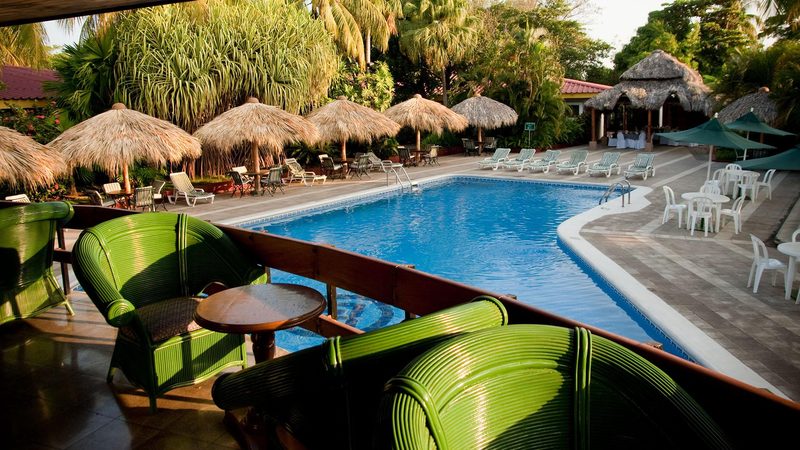
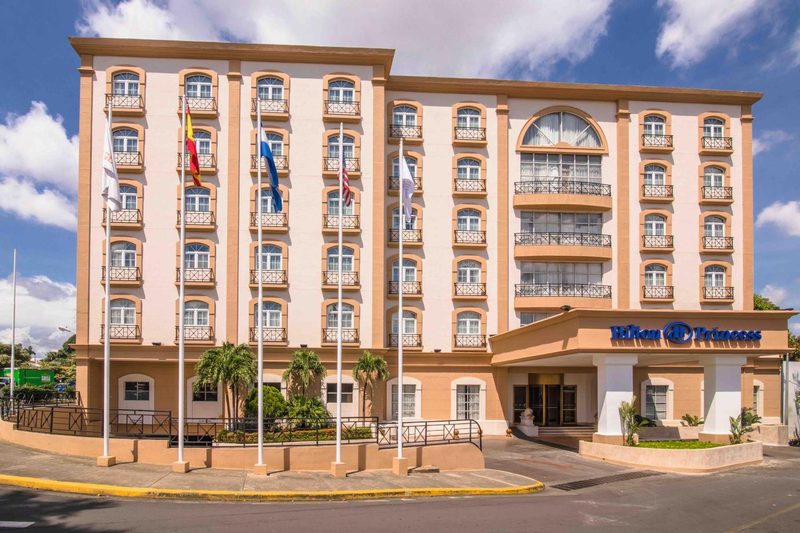
Hand-picked hotels across price tiers for June travellers.
Packing Checklist
Bookmark this page — your progress is saved between visits
Need the full list with shopping links?
Climate-specific gear, brand recommendations, and what to leave at home.
View Managua Packing List →Essential Tips
Insider knowledge and common pitfalls to avoid
Insider Knowledge
Managua has no real beach. This surprises people who look at a map and see the city sitting on a lake. Lake Xolotlan, also called Lake Managua, is heavily polluted from decades of untreated sewage and industrial runoff. Do not swim in it. Puerto Salvador Allende, the renovated waterfront promenade, is for walking, eating, and catching the sunset over the water. It is not for getting in. If you want swimmable water, Laguna de Apoyo is 35 km (22 miles) southeast. The Pacific beaches at Pochomil and Masachapa are about 60 km (37 miles) west, reachable in a little over an hour by car.
Managua's nightlife concentrates along the Carretera Masaya corridor, roughly between the Metrocentro mall and the Zona Rosa. This strip comes alive after 9 PM on weekends. Open-air bars blast reggaeton and cumbia across parking lots. The smell of grilled meat from fritanga stalls drifts between the venues. June's weeknight scene is quieter than dry season. Friday and Saturday nights still draw crowds. Take a taxi or rideshare rather than walking between venues after dark. The distances are deceptive. The lighting between establishments is poor.
The city's layout confuses almost every first-time visitor. Managua does not use street addresses in any meaningful way. Locals navigate by landmarks, many of which no longer exist. Directions like 'from where the old Pepsi factory used to be, two blocks toward the lake' are completely normal. Your phone's GPS is your lifeline. Download offline maps before you arrive. When taking taxis, show the driver your destination on a map rather than trying to give a verbal address.
Managua's fritanga culture is the real food story. June is a fine time to explore it because the evening air cools enough after an afternoon storm to make standing at an outdoor grill bearable. Fritangas are open-air street kitchens, usually a charcoal grill and a few plastic tables under a tarp. The standard plate is gallo pinto, fried cheese, maduros, and your choice of grilled or fried meat. The smell of charcoal and sizzling pork fat is the signature scent of a Managua evening. Mercado Roberto Huembes has a concentration of food stalls that is a good introduction. The neighborhood fritangas in residential areas like Altamira and Bolonia tend to be better. Saturday and Sunday mornings are nacatamal time. The banana-leaf-wrapped bundles of masa, pork, rice, and vegetables steam for hours. The best ones have a richness from the slow-rendered lard that no restaurant version replicates.
Avoid These Mistakes
Avoid scheduling outdoor activities in the afternoon. This is the single most common error visitors make in June. Managua's mornings are usually clear or partly cloudy, warm but manageable. That window between about 7 AM and noon is when you should do anything that involves being outside: market visits, volcano tours, walking the malecon, day trips to Granada. By 2 PM, the sky darkens, the wind shifts, and the rain arrives with enough force to turn streets into rivers. Plan around this rhythm. You will have a far better trip than someone who sleeps in and tries to sightsee at 3 PM.
Stop treating Managua like a layover. Fly into Augusto C. Sandino International Airport and stay. Most travelers bolt straight for Granada or Leon. They skip the earthquake-scarred cathedral. They miss the crater lagoon at Loma de Tiscapa. They never see the malecon at Puerto Salvador Allende at sunset. The best fritanga food in the country? Gone. One full morning changes everything. It reframes your entire Nicaragua trip.
Do not drink the tap water. Do not brush your teeth with it either. Managua's municipal supply is not reliably potable. The rainy season makes it worse. Contamination risk spikes. Bottled water is cheap. It is everywhere. Ice in upscale restaurants is usually purified. Street stalls are different. Smaller comedores too. June humidity plus stomach illness equals misery. Avoid this.
Short on time? See day trips around Managua on GetYourGuide.
Ready to plan your trip to Managua?
Now that you've got the research covered, here's where to go next.
Explore More Activities in Managua
Didn't see anything interesting yet?
Browse Viator's full catalog of tours, day trips, food experiences, and private guides in Managua.
See All Managua Tours on Viator