Things to Do in Managua in September
September weather, activities, events & insider tips
Low Season · Budget Friendly
September Weather in Managua
Long-run averages for September
86°F (30°C)
High Temp
71°F (22°C)
Low Temp
8.5 inches (216 mm)
Rainfall
82%
Humidity
12
Sunny-Day UV
⚠ September sits in Atlantic hurricane season. Managua rests on the Pacific side. Direct hits remain rare. Caribbean storms still push heavy rain bands inland. Flash flooding hits low-lying neighborhoods. Road travel to outlying attractions disrupts. Monitor weather forecasts during your stay. Self-drive trips to rural areas need extra caution.
⚠ Dengue peaks in rainy months. September's daily storms breed Aedes aegypti mosquitoes. Standing water collects in urban Managua. Use DEET repellent consistently. Dawn and dusk carry highest risk. Choose accommodations with screened windows. Reliable air conditioning lets you sleep with windows closed. Do not skip this.
⚠ Unpaved roads suffer in heavy rain. Poor drainage creates temporary impassability. Afternoon downpours hit hard between Managua and outlying attractions. Self-drivers should stick to paved highways. Check road conditions before remote departures. Organized tours with experienced drivers handle this better. Rental cars struggle here. Plan accordingly.
Making the most of September in Managua? Browse tours and activities in Managua on GetYourGuide.
Is September Right for You?
Weigh the advantages and considerations before booking
Advantages
- + Nicaragua's Independence Day lands on September 15. The Antorcha de la Libertad torch relay on September 14 fills Managua's streets with marching bands, blue-and-white flags, and the smoke of nacatamal vendors steaming their banana-leaf bundles along the parade routes. This is one of the few weeks each year when Managua feels like a city celebrating itself rather than a transit hub. The atmosphere around Plaza de la Revolucion is communal and unfiltered in a way that tourist-oriented festivals rarely manage.
- + September sits at the bottom of tourist season. Day trips to Granada and Masaya Volcano run with half-capacity groups. Laguna de Apoyo's warm crater waters are yours to float in without competition. You can wander Granada's Calle La Calzada without dodging selfie sticks every ten steps. The breathing room changes the texture of the experience entirely.
- + Accommodation rates drop noticeably from dry-season peaks. Rooms that require advance booking during the December-through-March high season often have same-week availability in September. You'll find genuine flexibility to negotiate or upgrade, in the mid-range bracket.
- + The rainy season transforms the volcanic landscape surrounding Managua into something almost aggressively lush. The slopes around Masaya turn deep green. The forests ringing Laguna de Apoyo are at their densest canopy. The views from the Catarina Mirador over the crater lake gain a moody, storm-cloud-stacked drama that the bone-dry February version simply cannot match. If you photograph landscapes, this is the more interesting month.
Considerations
- − Managua receives around 8.5 inches (216 mm) of rain in September, typically arriving in heavy afternoon and evening bursts between roughly 2 PM and 6 PM. These are not gentle drizzles. Streets without proper drainage flood fast. Secondary roads can become temporarily impassable. Any outdoor plan made for the afternoon carries a real chance of being rearranged by weather. The mornings are usually clear, which helps. The daily rhythm requires genuine adaptation.
- − The 82% average humidity paired with 30°C (86°F) highs creates a weight in the air that surprises even travelers who think they handle heat well. Managua's large, shade-poor layout makes walking between sights in midday conditions physically punishing. You will sweat through clothing faster than you expect. Air conditioning becomes a planning consideration, not a luxury.
- − The nearest Pacific beaches at Pochomil and Masachapa, roughly 65 km (40 miles) west of Managua, face rougher swells in September. Overcast skies with periodic rain make for underwhelming beach days. If coastal swimming and sun are central to your trip vision, September works against you.
Settled on September? Compare hotel prices in Managua for your dates on Trip.com.
Best Activities in September
Top things to do during your visit
September settles over Managua like a second skin. Warm, damp, close. The capital sits at 30°C by afternoon, cooling to around 22°C after dark, and the city receives roughly 216 millimeters of rain through the month, making it one of the two wettest periods of the year alongside October. Mornings often break clear and luminous, the air carrying the mineral smell of Lake Xolotlán and the green, vegetal sweetness of rain-soaked earth. By early afternoon, cumulus towers pile above the Sierras de Managua and the downpours arrive. Heavy, warm, and usually finished within an hour or two, leaving the streets steaming and the volcanic ridgeline scrubbed into sharp relief against a charcoal sky. Travelers who time their outings for the morning hours find a Managua that rewards their planning: emptier roads, cooler air, and a soft golden light that makes the brutalist monuments along the old centro look almost tender. What September strips away in convenience it repays in atmosphere. The rains have turned the countryside surrounding Managua extravagantly green. The slopes of Masaya Volcano, the hillsides above Catarina, the black cinder flanks of Cerro Negro all wear a coat of scrub and wildflower that vanishes by February. The lakefront promenade at Puerto Salvador Allende fills in the evenings once the rain passes, and the smell of sizzling carne asada from fritanga stalls drifts through air that is finally, mercifully, a few degrees cooler. Restaurants along Carretera Masaya serve nacatamales and plates of vigorón, that sharp, fermented tang of curtido cutting through the richness of fried pork, to tables that are easier to claim than in the dry-season rush. Managua is not a city that performs for tourists. It is a working capital, large and practical, rebuilt after its 1972 earthquake in a decentralized pattern that confounds newcomers expecting a walkable old town. But that same rawness is the point. The city operates as a launchpad to Nicaragua's volcanic spine, its colonial jewels, and its Pacific coast, and September's lower visitor numbers mean the day trips that depart from Managua every morning run with smaller groups and more personal attention.

Best of Granada, Mirador de Catarina and Masaya Volcano Tour
guided_experienceThe road from Managua climbs south through coffee country before dropping into Granada, where the air thickens with the scent of woodsmoke and the colonial streetscape develops in corridors of ochre, terracotta, and faded indigo. This full-day circuit pairs Granada's cobblestone grid, where horse-drawn carriages clatter past churches that have stood since the sixteenth century, with the rim of Mirador de Catarina, a volcanic overlook where you can hear wind funneling up from the Apoyo lagoon far below, its water an impossible shade of teal. The day ends at Masaya Volcano, where the sulfur-tinged updraft hits your face before you even reach the crater lip, and the exposed magma glow pulses in the fading light.
Granada, Catarina, and Masaya Volcano compressed into a single day from Managua, with a guide who handles the logistics of three distinct landscapes so you absorb them instead of navigating them.
Insider tip: Sit on the left side of the vehicle heading to Catarina for unobstructed views of the Apoyo crater as you descend, and bring a bandana for the sulfur at Masaya. The fumes can sting your eyes on still evenings.
This month: September's heavy rains can push low cloud into the Masaya crater after midday, occasionally obscuring the lava glow; morning-start itineraries that reach the volcano by late afternoon maximize your chances of a clear view.

From Managua: León, Sandboarding Cerro Negro + Cathedral UNESCO
culturalLeón sprawls flat and sunbaked on Nicaragua's Pacific lowlands, its streets lined with murals that shout revolutionary history in blocks of red and black. This day trip from Managua brings you first to León's cathedral, the largest in Central America, its whitewashed roof a blinding expanse under the morning sun, recognized by UNESCO for its baroque and neoclassical architecture. Then the van turns east toward Cerro Negro, a young and jet-black cinder cone where you strap on a jumpsuit, sit on a wooden board, and ride the loose volcanic gravel down a slope so steep that the wind roars past your ears and the grit peppers your goggles. The contrast of textures defines the day: cool cathedral stone under your palms, then hot black sand shifting beneath your boots.
The only place on earth where you can stand inside a UNESCO cathedral in the morning and sandboard down an active volcano in the afternoon, all from Managua and back.
Insider tip: Wear closed-toe shoes with ankle support for the 45-minute hike up Cerro Negro, and layer sunscreen heavily on your neck and forearms. The black cinder reflects heat upward even under cloud cover.
This month: Rain softens the cinder surface on Cerro Negro, which can slow your descent speed compared to the dry months; conversely, the wet sand is less abrasive and the surrounding hillsides are vividly green rather than their usual ashen brown.

2 full days tour Granada + Lava+Leon area
day_tripTwo full days out of Managua buy you the two faces of western Nicaragua without the compression of a single-day dash. Day one covers Granada and the molten core of Masaya Volcano. You walk Granada's Calle La Calzada in the amber light of late afternoon, hearing marimba notes spilling from open doorways, then stand at Masaya's crater edge as the sun drops and the lava lake throws an orange glow onto the sulfur-stained rock walls. Day two pivots north to León and Cerro Negro, where the dry volcanic heat rising off black cinder gives way to the cool interior of León's cathedral, its nave echoing with footsteps on stone that has absorbed three centuries of tropical rain.
The only way to experience both Granada and León at depth from Managua without the fatigue of cramming Nicaragua's two essential colonial cities into a single exhausting day.
Insider tip: Pack a change of clothes in a small daypack for the Cerro Negro leg. Volcanic grit works into every seam, and you will want a clean shirt for the cathedral visit afterward.

Cerro Negro volcano, VIP experiences "Individual and Group"!!!
private_tourCerro Negro is barely two centuries old. A geological infant. Its barren black cone rises 728 meters above the León plains with nothing growing on its flanks but ambition. This private or small-group experience strips the crowd factor out of the sandboarding run, giving you the slope largely to yourself and a guide who adjusts pacing to your fitness. The hike up takes roughly 45 minutes, your boots sinking into loose scoria that crunches like crushed charcoal, and the view from the top stretches to the Pacific on clear mornings, a silver line beyond green lowland fields. The descent is a controlled slide on a wooden toboggan, the sound of grit scraping beneath you building to a low roar as you pick up speed.
A private format on Cerro Negro means you choose your own pace on the climb and get multiple runs if you want them, without waiting behind a queue of twenty other boards.
Insider tip: Ask your guide to let you hike a few minutes along the crater rim before boarding. The fumaroles vent warm, sulfurous air through cracks in the rock, and the view directly into the crater is a perspective most group tours skip entirely.
This month: Afternoon thunderstorms in September can make the descent track slippery and reduce visibility from the summit. Morning ascents avoid both hazards.

Masaya Volcano Night Tour!!!
guided_experienceMasaya Volcano sits just 23 kilometers southeast of Managua, close enough that you can feel the sulfur-tinged heat on your skin within forty minutes of leaving your hotel. The night tour is the definitive way to experience Santiago crater: after dark, the incandescent lava lake at the bottom casts a flickering orange light onto the crater walls, and the roar of degassing magma carries up through air that smells of burnt matches and hot stone. You stand at the railing on a viewing platform, and the updraft pushes warm, acrid air across your face while parakeets, green parakeets that nest impossibly in the crater walls, wheel overhead in the reflected glow.
One of only a handful of places on Earth where you can look directly into an exposed lava lake, and the night format turns the experience from geological to almost primordial.
Insider tip: Bring a headlamp with a red-light mode rather than using your phone flashlight. White light washes out the lava glow and annoys other visitors at the railing, while red preserves your night vision for the drive back down.
This month: September's cloud cover occasionally fills the crater bowl, blocking the lava glow entirely. Operators monitor conditions and will advise. But flexible travelers should hold a backup evening in case the first attempt is socked in.

Nicaragua: Private Shuttle Service from Airport to Hotel Managua
transportAugusto C. Sandino International Airport sits on the eastern edge of Managua, and the stretch between arrivals and your hotel, past the rotondas and along roads that lack consistent signage, is the single moment where a pre-arranged transfer earns its cost several times over. This private shuttle meets you at the terminal with a name board, loads your bags, and delivers you door-to-door without the negotiation, meter anxiety, or route uncertainty that comes with hailing transport on arrival. The ride itself is a gentle introduction to Managua's sprawl: you pass the silhouette of the old cathedral's cracked shell, the lakefront, and the commercial corridor before reaching the hotel cluster along Carretera Masaya.
The lowest-friction way to cross the gap between landing and your Managua hotel, after a long international connection when your Spanish is rusty and your patience is thin.
Insider tip: Send your flight number and a mobile contact to the operator at least 24 hours before arrival. Managua's terminal has limited waiting areas for drivers, and confirming your details ensures the car is positioned when you clear customs, not circling the access road.
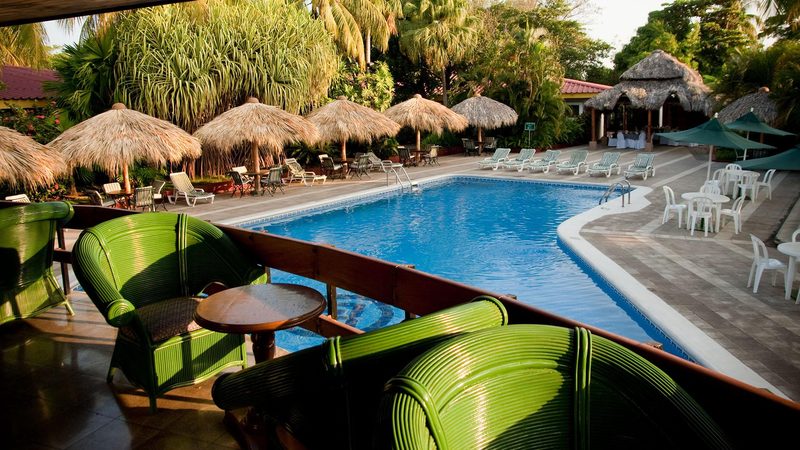
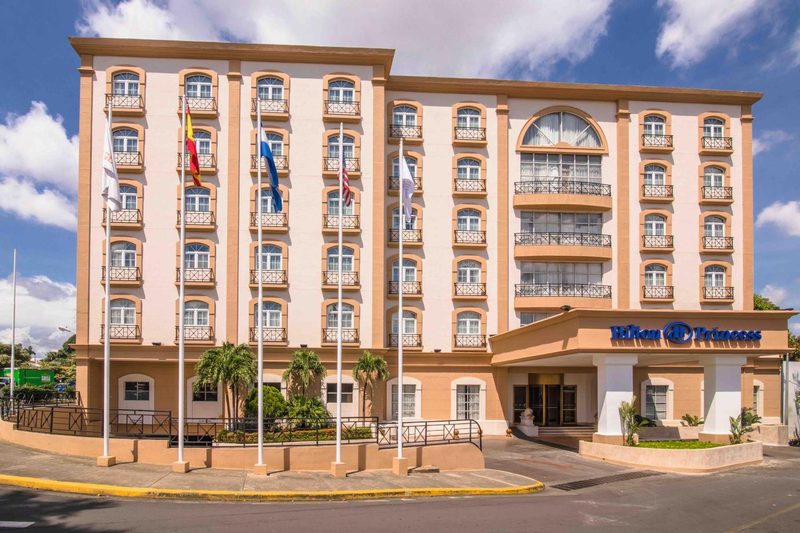
Where to Stay in Managua in September
Hand-picked hotels across price tiers for September travellers.
Public Holidays in September
Dates that affect opening hours, transport and crowds
Battle of San Jacinto
Observed nationwide as a public holiday.
Independence Day
Observed nationwide as a public holiday.
Battle of San Jacinto
Observed nationwide as a public holiday.
Independence Day
Observed nationwide as a public holiday.
Packing Checklist
Bookmark this page — your progress is saved between visits
Need the full list with shopping links?
Climate-specific gear, brand recommendations, and what to leave at home.
View Managua Packing List →Essential Tips
Insider knowledge and common pitfalls to avoid
Insider Knowledge
Morning is your operating window. Between roughly 6 AM and 11 AM, the humidity has not yet peaked, rain is unlikely, and the light for photography at Loma de Tiscapa and the Old Cathedral is warm and low-angled. By 1 PM the heat becomes punishing. By mid-afternoon the sky is likely dumping water. Structure every outdoor plan around this window and save indoor activities, shopping at Mercado Roberto Huembes, or restaurant meals for the afternoon.
Managua's best eating happens at fritanga stands that fire up their charcoal grills around 5 PM in residential neighborhoods, along the Carretera Masaya corridor and in the barrios south of the old center. Look for the ones with the longest lines of locals and the heaviest smoke. The standard order is grilled chicken or pork, fried plantain tajadas, gallo pinto, and a pile of cabbage curtido dressed with vinegar. This is where Managua feeds itself. The quality outpaces most sit-down restaurants at a fraction of the cost.
Puerto Salvador Allende, the rebuilt lakefront malecon along Lake Xolotlan, transforms on weekend evenings into Managua's closest thing to a communal living room. Food vendors sell quesillo, string cheese wrapped in a warm tortilla with pickled onion and crema that drips down your wrist, alongside cups of tiste, a cold cacao-and-corn drink with a chalky sweetness. Live music stages draw families, couples, and groups of teenagers. Weekday evenings are quieter and arguably better: you can hear the lake water, get a bench, and watch the lights of the Chiltepe peninsula across the water.
Managua's nightlife concentrates along the Carretera Masaya corridor, south of the old center, where open-air bars and clubs play reggaeton, Latin pop, and live salsa on weekends. September weeknights are quiet. But Friday and Saturday draw local crowds who stay out late. Use ride-hailing apps to get home. Do not walk the highway strip after dark.
Managua requires more street awareness than Granada or Leon. Keep electronics out of sight when walking, stick to well-trafficked areas, and avoid walking alone after dark in neighborhoods you do not know. Mercado Oriental, one of Central America's largest markets, is best navigated with a local who knows the layout, the flow of stalls, and which sections to avoid. Daytime Managua in the main commercial zones and tourist spots feels manageable with basic urban precautions. But the city does not sugarcoat itself for visitors. Neither should you.
Avoid These Mistakes
Treating Managua as nothing more than a transit point and heading straight for Granada or Leon without spending time in the capital. The Old Cathedral ruins, Puerto Salvador Allende at sunset, Loma de Tiscapa for the crater-lake panorama, and Mercado Roberto Huembes for Nicaraguan handicrafts and street food under one large roof all merit at least a full day. Skip the city entirely and you miss the actual capital of the country you came to visit.
Walking long distances between sights in midday heat. Managua is not a compact walking city. The major sights are spread across kilometers of low-rise sprawl with minimal shade, fractured sidewalks, and aggressive sun between rain bursts. Use taxis or ride-hailing apps between stops, and save your walking energy for the mornings when the air is tolerable. A 20-minute walk that looks reasonable on a map will leave you drenched in sweat and depleted by arrival.
Leaving rain gear buried in a bag or back at the hotel because the morning sky was clear. September's downpours arrive with startlingly little warning. One hour of blue sky does not predict the next hour. Keep your rain jacket accessible on your person, carry your waterproof phone protection at all times, and mentally accept that your afternoon plans are provisional. The travelers who build flexibility into their schedule enjoy September far more than those who fight the weather.
Short on time? See day trips around Managua on GetYourGuide.
Ready to plan your trip to Managua?
Now that you've got the research covered, here's where to go next.
Explore More Activities in Managua
Didn't see anything interesting yet?
Browse Viator's full catalog of tours, day trips, food experiences, and private guides in Managua.
See All Managua Tours on Viator